Stay up to date
with the latest news and products
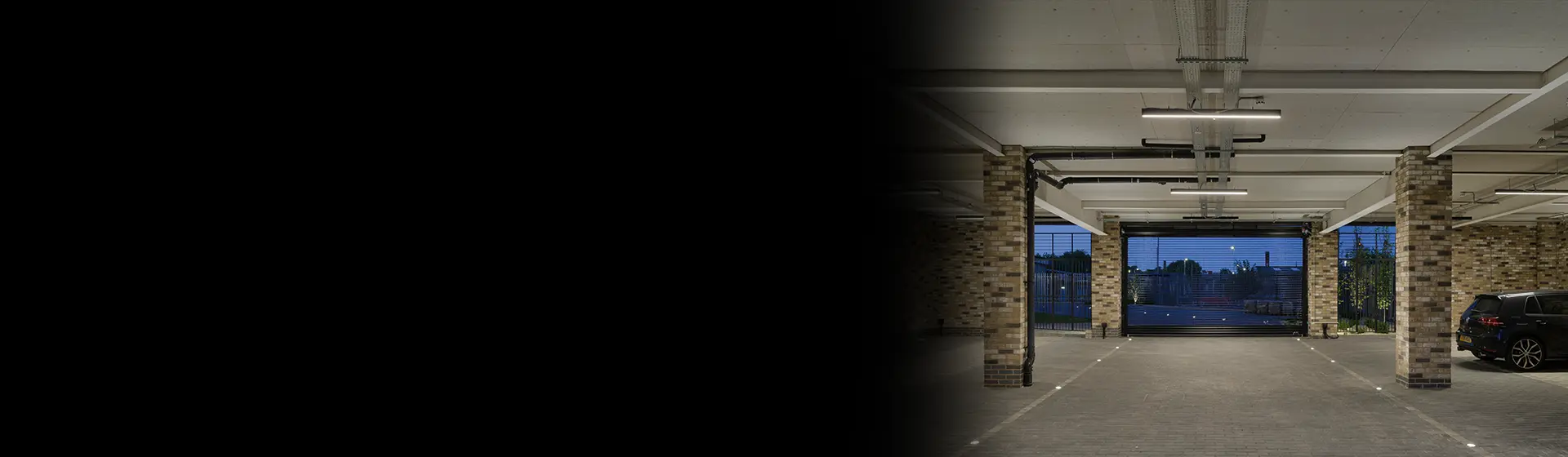
Optimal Lighting Levels for Every Space
Lux levels help you figure out how much light a space needs. Lux is the unit used to measure illuminance — it tells you how much light hits a surface. One lux equals one lumen per square metre. To light a space properly, you need to know how much lux is required based on the size of the area and what it’s used for.
Light uniformity is another essential element in getting your light levels correct. Uniformity of light refers to the even distribution of illumination across a given space, minimising variations in brightness. It is typically measured as the ratio of minimum to average illuminance (U₀ = E_min / E_avg).
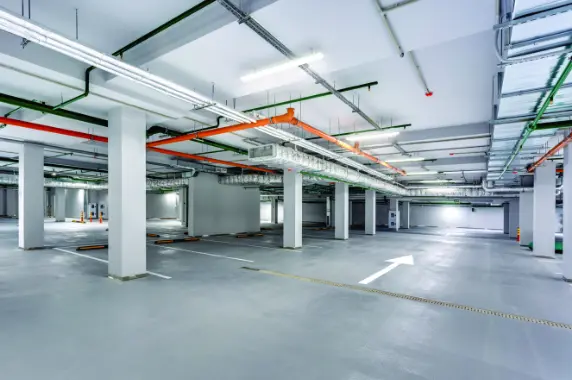
Good lighting design considers lux levels and light uniformity to enhance both functionality and aesthetics while maintaining efficiency. Below we have provided a handy guide to lux levels for various spaces to get you started. Keep in mind, these are general recommendations. It’s always best practice to measure the appropriate lux levels for your particular project.

High uniformity reduces eye strain and discomfort by preventing harsh contrasts or dark spots.

In workplaces, roads, and public areas, consistent lighting ensures clear visibility and reduces the risk of accidents.

Uniform lighting contributes to a balanced, pleasant atmosphere, avoiding unwanted shadows or overly bright areas.

Proper uniformity prevents over-lighting in some areas and under-lighting in others, optimising energy use.
Correct lux levels are vital in industrial environments to ensure safety, accuracy, and efficiency across work areas like warehouses, factories, and workshops. Depending on the task, levels can range from 50Lx in storage areas to 5,000Lx in precision work zones.


Support Hours
07:30 -17:30
Support hours may vary on public holidays
Awards & Recognitions









Copyright © 2026 - All rights reserved ROBUS


